Why Do Humans Feel Awkward Receiving Compliments?
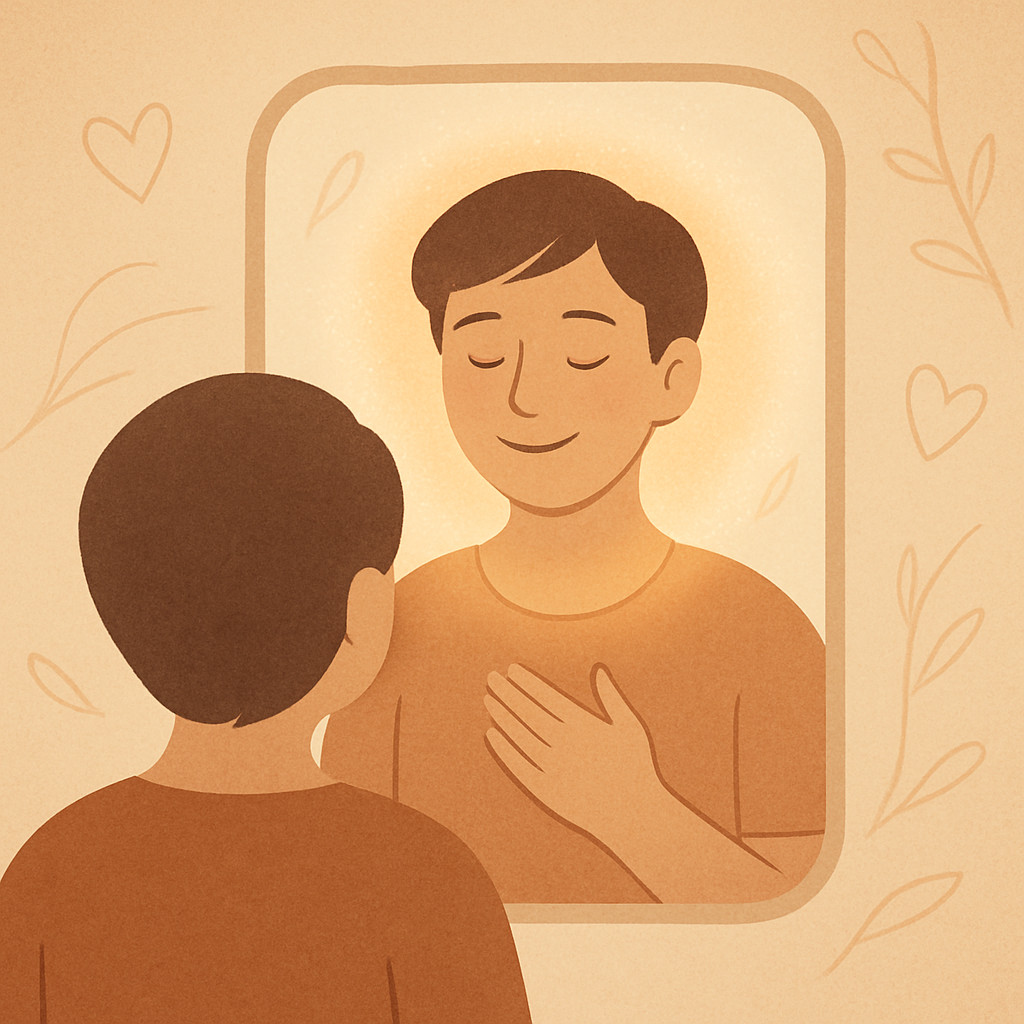
Why Do Humans Feel Awkward Receiving Compliments?
💡 The Quick Takeaway
Have you ever received a compliment and felt a bit uncomfortable, unsure whether to smile or deflect the praise? You're not alone. Many people struggle with embracing positive feedback due to a complex interplay of self-esteem, cultural conditioning, and emotional patterns. Understanding this can help us navigate these situations with more grace and authenticity.
Imagine you're in the coffee room at work. A colleague walks in, grabs a cup, and casually tells you, "Hey, I really enjoyed your presentation yesterday." Suddenly, your brain does a little flip. Your first response might be to downplay it, mumbling something like, "Oh, it was nothing." Sound familiar?
Compliments, though intended as verbal pats on the back, can sometimes feel like awkward surprise gifts—unwrapped and uncomfortable. Why do we find it so hard to embrace these kindnesses shared our way? Let's unravel this curious trick of the mind.
What This Behavior Means
Holding a Magnifying Glass to Ourselves
When a compliment comes our way, it's like someone shining a spotlight on us, magnifying our inner dialogue and self-perceptions. If you're questioning, "Am I really that good?", you're not alone. Compliments may bring our internal self-doubts to light, causing discomfort.
The Fear of Seeming Conceited
Ironically, the concern over appearing vain or self-absorbed can make us hyper-aware and dismissive of compliments. Accepting praise may be misconstrued by others or ourselves as being boastful, leading to a quick deflection or redirection of the conversation.
Cultural Conditioning Plays a Role
If you grew up where humility is highly valued, or within cultures that discourage self-promotion, you might instinctively shrug off compliments as a learned social habit-loop. This reflection isn't always about denying your skills but about fitting into cultural narratives.
The Psychology Behind It
The awkwardness of receiving compliments can be traced back to our fundamental need for social belonging and acceptance. Evolutionary psychology suggests that once belonging to a tribe was essential for survival, and thus, receiving or accepting praise could inadvertently set you apart from the group—triggering an unintentional emotional anchor of anxiety or fear.
At the intersection of self-esteem and perceived social norms, compliments can challenge our self-schema—the way we view ourselves. This leads to cognitive dissonance, where the compliment doesn’t align with our internal beliefs or self-image, creating discomfort. If you've never thought of yourself as a "natural leader," being called such may spark an inner conflict.
Moreover, the self-verification theory emphasizes that people are motivated to confirm their self-views, be they positive or negative. Receiving a compliment that clashes with our negative self-perception can be jarring, as it disrupts the habitual emotional narrative we've constructed over time. The brain, felled by this contradiction, resorts to automatic defenses—downplaying or redirecting the compliment.
The Science Made Simple
Understanding how psychological concepts apply can make it easier to accept compliments without fuss. Consider "mirror neurons," which help us empathize with others' experiences. When someone praises us, our brain activates these neurons, attempting to reciprocate emotionally. If you're accustomed to seeing yourself modestly, absorbing praise creates a conflict with your mirrored self-image.
Attachment Theory also points to formative years when love and validation were received (or not). If you grew up seeking approval that wasn’t always forthcoming, as an adult, compliments might feel foreign, resulting in discomfort or suspicion over their genuineness.
Relatable Real-Life Examples
"You look fantastic today!" says your friend. You blush, saying, "Oh, I just threw this on." Here, your brain does a quick shuffle, leaping towards modesty.
During a team meeting, your manager looks directly at you and says, "Great job on that project." You respond with, "It was a team effort," immediately shifting focus away from personal achievement.
At a family gathering, an aunt praises your delicious cooking. “It’s just a simple recipe,” you hurriedly reply, failing to absorb her admiration. Humor flutters in—no one asked for your recipe deconstruction.
Interesting Facts
- Studies show that women deflect compliments more often than men, potentially due to societal expectations of modesty.
- Receiving genuine praise triggers the same reward centers in the brain as monetary or tangible incentives.
- Compliments have been shown to improve relationships by boosting the recipient's mood and self-esteem.
- Social validation from compliments can stimulate dopamine, a neurotransmitter linked to pleasure and reward.
- In some cultures, refusing a compliment is a sign of politeness, showcasing humility.
- Compliments can sometimes trigger the Impostor Syndrome, where individuals doubt their accomplishments.
The MindCodex Guide to Action
Practice Acceptance with GraceNext time someone pays you a compliment, try simply saying "Thank you." Practicing gratitude can naturally reduce the discomfort.
Reflect on Positive FeedbackKeep a journal of compliments you've received. Over time, you'll see them as patterns of recognition rather than exceptions.
Challenge Negative Self-BeliefsIdentify beliefs that make you doubt compliments. Question their origin and trial replacing them with positive affirmations.
Engage in Mindfulness PracticesMindfulness helps center your emotional response, making you more open to accepting positive energy without defensiveness.
Share the Compliment LoveGive compliments more often. It creates a natural loop of positivity that helps you receive them with greater ease.
Conclusion
Understanding why we twist in awkwardness at the kind words can lead to a softer approach toward self-acceptance. Compliments can be more than just words—they’re gifts waiting to be embraced, offering mirrors reflecting truths we might have yet to recognize within ourselves.
A Small Reflection
Think back to the last time someone complimented you. Did it add a subtle tension or make you question your qualities? How might fully embracing such moments change how you see yourself and influence your day? What would happen if you believed every compliment you received?
About the Author
Hi, I’m Aditya Singh. I’m a counselor and psychotherapist driven by a simple goal: to help people understand the "why" behind their own behavior. I spend my time translating complex psychological research into practical, everyday tools that actually make sense in the real world. My mission with MindCodex is to bridge the gap between clinical insights and our messy, beautiful, everyday lives—making mental health and self-awareness accessible to everyone, one story at a time.
Liked this story? Explore more insights in
View all posts in Social & Relationship Psychology →


