Why Do Humans Stretch When They Wake Up?
Why Do Humans Stretch When They Wake Up?
💡 The Quick Takeaway
Stretching in the morning is more than just a habitual yawn accompaniment. It’s a delightful dance of waking muscles and mental readiness, preparing our body and mind for the day ahead. This seemingly simple act is a treasure trove of psychological and physiological benefits, subtly tuning our bodies like a well-crafted instrument.
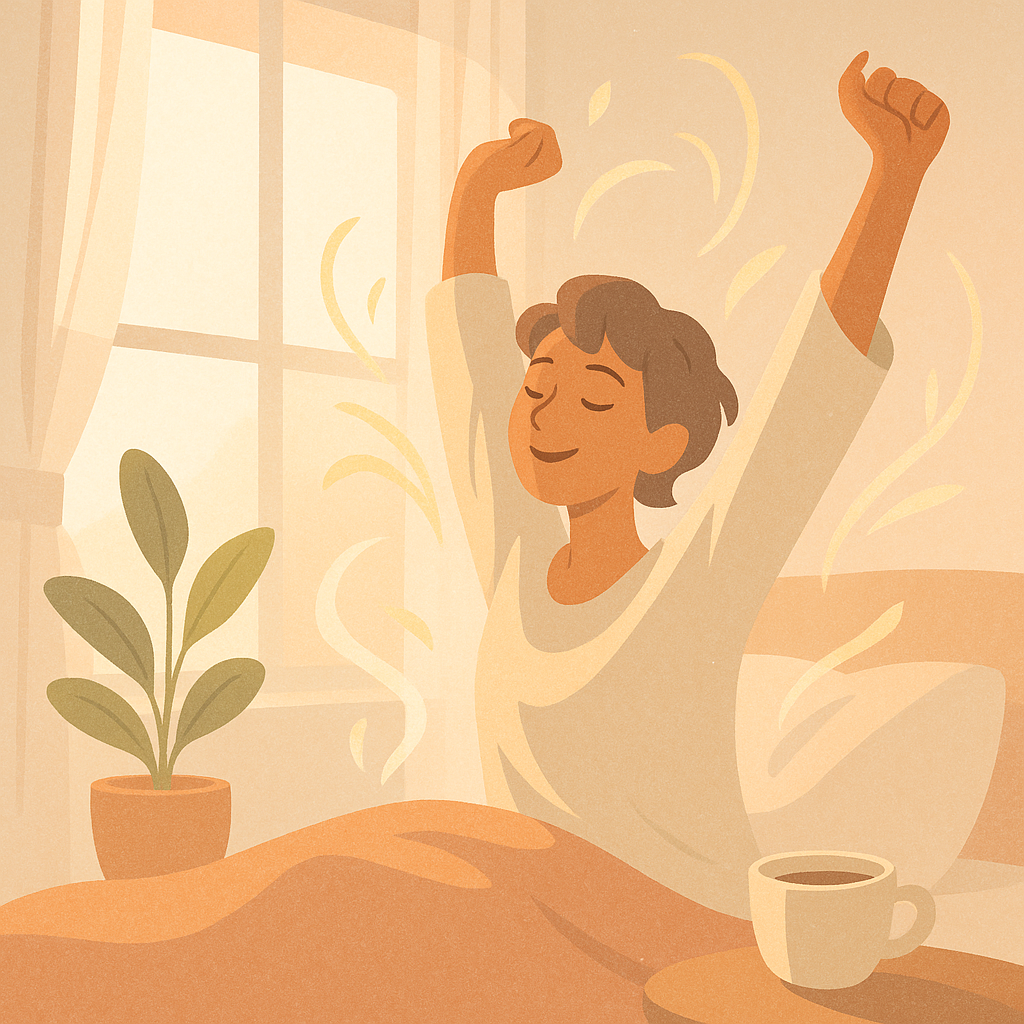
Imagine this: the first light of dawn trickles into your room, your eyes creak open like an old wooden door, and you automatically stretch out like a cat, arms over your head, toes pointed. Ever caught yourself wondering, “Why do I do this? Isn't it interesting that our day begins this way?” Whether you're a sleep enthusiast or someone who jumps out of bed as soon as the alarm buzzes, stretching seems to be a universal ritual. But what exactly is going on when we stretch this way? Why does our body feel the need to elongate, often accompanied by a gratifying yawn, as soon as we wake up? Let's take a leisurely stroll through the realm of this daily ritual, discovering the subtle psychological gem it holds.
Waking up and stretching isn’t merely about untangling ourselves from slumber; it’s a part of an ancient script written into our very biology. From a psychological standpoint, every stretch is a gentle reminder of how deeply connected our mental and physical worlds are. As you read through this article, you might just uncover a new way to appreciate this simple, joy-filled gesture that you perform every day.
What This Behavior Means
Physical Awakening
Think of morning stretching as the body’s natural way of powering up. While we sleep, our muscles relax, and the flow of blood decreases slightly. Stretching wakes the muscles back up, improving circulation. Ever felt a little more “alive” after a good stretch? That’s no coincidence—it's your body thanking you for getting things moving again.
Mental Readiness
Stretching can also clear the mental fog. While our muscles are waking up, our brains are too. Stretching increases blood flow not just to our limbs but to our heads as well, preparing us for the cognitive demands of the day. It's like hitting a mental "reset" button.
Emotional Alignment
It's fascinating how something so physical can feel so emotional. That full-bodied stretch can elicit sensations of relief and satisfaction. It aligns our emotional anchors, easing stress and setting a positive tone for the rest of the day. Ever noticed how a good stretch can make you feel a little happier?
The Psychology Behind It
The psychology of stretching upon waking is intertwined with our basic instincts and emotional archetypes. At its core, this behavior serves as a transition from the subconscious realms of sleep to the conscious world we navigate daily. The gentle stretch is an act of self-care, a ritual that's deeply rooted in an emotional need to establish readiness and balance.
From an evolutionary perspective, morning stretching is seen as a signal to the body and brain that rest time is over. Selves that are attuned to nature’s cues use the act of stretching to prepare for any eventualities of the day. It’s an emotional anchor, a brief space where we subconsciously gather our resources before we dive into the tapestry of life.
At the same time, this act is a silent conversation between our mind's emotional and cognitive parts. It’s where we shift from dreaming (an unconscious scramble of emotional processing) to planning, problem-solving, and interacting. Stretching shifts gears smoothly, without jarring alarms or intrusive thoughts. It represents a moment where our emotional and rational selves agree to work together harmoniously.
The Science Made Simple
One of the core terms linked to this phenomenon is the "Pandiculation." This term refers to the involuntary stretching of the soft tissues seen in most species, typically associated with yawning. Think of it as nature's way of rebooting the system. Just like when you restart a computer to update all its processes smoothly.
Additionally, you can consider the concept of circadian rhythms—our body's innate timing mechanisms—as an influencing factor. Stretching realigns the body in harmony with these internal clocks, signaling that it's time to shift from a state of rest to one of alertness and activity.
Relatable Real-Life Examples
Scenario 1: Imagine waking up on a cozy morning in winter, wrapped tightly in your blanket. Before the reality of a cold floor hits, you stretch luxuriously, drawing warmth from within before braving the world outside.
Scenario 2: Picture a cat, your perpetual inspiration, yawning broadly and arching its back. You mimic this stretch, almost on instinct, feeling a camaraderie between you and the feline world, a secret stretch society.
Scenario 3: You're at a campsite, with dawn breaking and a waking world soundtracked only by nature’s quiet whispers. You stretch, feeling momentarily like an intricate part of that natural symphony, every limb relishing the start of a new adventure.
Interesting Facts
- Stretching before you even get out of bed can boost your mood and mental alertness.
- The majority of mammals, including household pets, exhibit some form of pandiculation.
- Morning stretching helps in reducing muscle stiffness and enhances flexibility.
- Studies suggest stretching can influence your body’s hormone levels, including endorphins.
- A good morning stretch can even improve posture by gradually aligning your spine and muscles.
- Consistent morning stretching routines can decrease stress and improve sleep quality over time.
The MindCodex Guide to Action
Rise and Shine Routine: Start each day with a quick full-body stretch to boost circulation and energy levels. Try reaching for the ceiling with your hands, then folding forward to touch your toes. Breathe Deeply: Integrate deep breathing while stretching. Inhale as you extend and exhale as you relax to enhance the calming benefits. Consistency is Key: Embed stretching into your morning routine. Place a “Stretch Reminder” note on your bedside to encourage daily practice. Yawn and Stretch: Combine yawning with your stretch to enhance the synchronization of relaxation and revitalization. Stretch with a Purpose: Focus on tight areas; maybe it's the back from slouching or stiff neck muscles after sleep. Customize your stretches to tackle these spots specifically.Conclusion
Morning stretches are so much more than a mere habit. They’re a beautiful symbiosis of mind and body, innately crafted into our daily lives. By embracing this sleepy ritual with intentionality, we can tune our bodies and emotions, setting the tone for a more balanced, energizing, and fulfilling day. So next time your body unfolds itself at dawn's first light, cherish that stretch—it’s the beginning of your day’s story.
A Small Reflection
Reflect on your last wake-up stretch. Did it subtly influence your day's pace or mood? Could this small act be a meditative moment, anchoring your day in balance and gratitude? How much richer could your daily life become if you cherish these tiny, embedded moments of mindfulness?
About the Author
Hi, I’m Aditya Singh. I’m a counselor and psychotherapist driven by a simple goal: to help people understand the "why" behind their own behavior. I spend my time translating complex psychological research into practical, everyday tools that actually make sense in the real world. My mission with MindCodex is to bridge the gap between clinical insights and our messy, beautiful, everyday lives—making mental health and self-awareness accessible to everyone, one story at a time.
Liked this story? Explore more insights in
View all posts in Behavioral & Everyday Habits →


