Why Do People Check Messages Immediately?
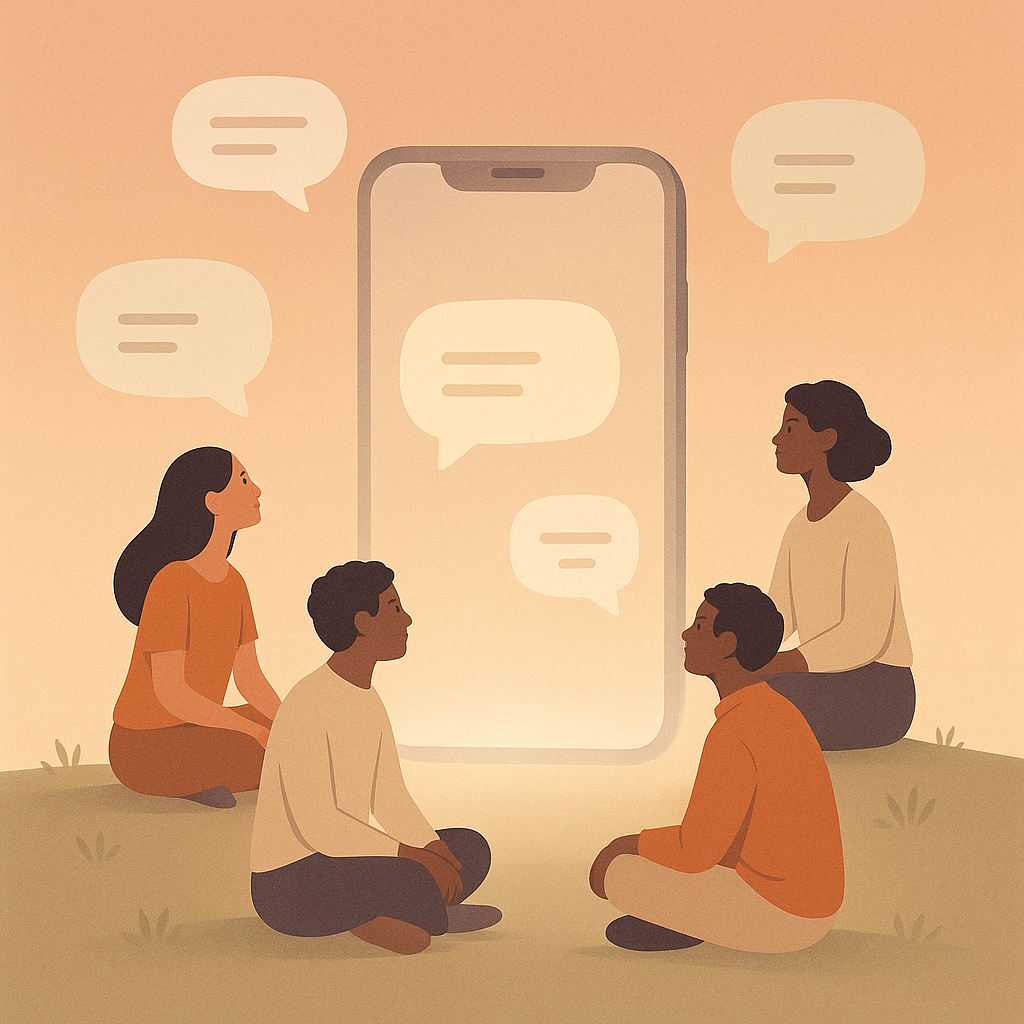
Why Do People Check Messages Immediately?
💡 The Quick Takeaway
It's 7:01 AM, and your phone vibrates gently on the nightstand. Instead of greeting the day with morning stretches or a mindful moment, you reach over, eyes half-open, and check the message notification. This impulse isn't just about curiosity—it's a complex dance of our brain's cravings, emotional patterns, and the modern world's relentless connectedness. Understanding this behavior can be the first step to gaining control over our digital lives.
Imagine you're in a meeting. It's slightly dull, the room is warm, and your attention starts drifting. Suddenly, a gentle buzz from your pocket demands your attention. Instinctively, your hand reaches for the phone and in a blink, you're checking that notification, even knowing it's likely not urgent. Ever noticed this happening to you? Why does our mind do this?
This instant urge to respond to that familiar ding can feel almost automatic. It's fascinating how we can be engrossed in a conversation one moment and utterly distracted by a small screen the next. This isn't just a modern quirk; it's a powerful example of how our brain's wiring interacts with today's technology.
The allure of a new message is hard to resist. It's as if each notification represents a tiny mystery—waiting to be solved by a swipe of the thumb. Whether it's a friend reaching out, a sale at your favorite store, or an unexpected piece of news, the unknown compels us to check. It's as if our device whispers, "I might have something exciting for you."
But why exactly do we respond so quickly? Is it the fear of missing out? Or is there something deeper, perhaps even primal, about this pull towards instantaneous connection?
What This Behavior Means
The Instant Gratification Loop
Every time you check a message, your brain rewards you with a quick dose of dopamine, the feel-good chemical that creates habit-loops. This can make checking messages feel rewarding even if there's little actual benefit.
Need for Social Connection
Humans are inherently social beings. Quick message-checking satisfies our desire to stay connected, making us feel less isolated, even for a moment.
Anxiety Alleviation
For some, leaving messages unchecked can create underlying anxiety—a worry over missed information or obligations. Immediate checking can provide a brief but calming reassurance.
The Psychology Behind It
This behavior traces back to our primal instincts for connectivity and information. Human beings thrive in collective settings; our ancestors relied on close communication for survival and community-building. Though times have changed, this ingrained necessity for interaction remains part of our psychology, merely manifesting in digital forms rather than around the fire.
Our brains are wired for novelty and rewards. Each message notification promises something new, much like a wrapped gift holding limitless potential. The act of finding out what it is, especially if it brings positive feedback or social connection, sends a small rush of dopamine flooding into our system. Over time, this builds into a habit-loop difficult to break as our brains seek that next hit of satisfaction.
The Science Made Simple
Let's chat about the concept known as "Variable Reward System." This idea suggests that unpredictability in rewards is highly enticing to the brain. Think about how slot machines work; they don't give a reward every time, but the chance that you might hit the jackpot on the next play keeps people engaged. Notifications mimic this effect, with each buzz carrying the potential for an exciting message or mere spam—it's that uncertainty that keeps us hooked.
Relatable Real-Life Examples
Picture this: You're having dinner with friends and someone’s phone rings. For a second, everyone pauses mid-bite and glances at their own phone. Jane checks hers and laughs, "Just my mom sending a cat meme." The momentary distraction dissolves into chuckles.
Or consider Sam, typing a report at his desktop. His phone lights up—a quick glimpse reveals a new email. Despite his deadline, he reads it immediately, only to find it’s another promotional offer. "Great," he muses, half-wishing it were something more interesting.
Finally, imagine Sophie at the gym. Her smartwatch pings during a lunge set. Breaking form, she checks the message, nodding absently. Her trainer chuckles, "The phone gets more exercise than you."
Interesting Facts
- On average, people check their phones 58 times a day, often within minutes of waking.
- The average person spends over 3 hours on mobile devices daily.
- Fear of missing out (FOMO) is a real psychological phenomenon driving digital behavior.
- 65% of people regularly sleep with their phones on or near their beds.
- Notifications exploit the brain's desire for novelty and social interaction.
- Mobile addiction triggers the same brain areas as substance dependency.
The MindCodex Guide to Action
Set BoundariesCreate designated times to check your messages and stick to them. This schedule can help resist impulsive checking and reduce anxiety.
Silence the Non-EssentialTurn off notifications for apps and messages that do not require immediate attention. This reduces the urgency of checking every beep.
Engage in Detox ActivitiesIdentify hobbies that don’t involve screens—like reading, jogging, or painting—to break the digital dependency cycle.
Embrace Mindful Technology UsePractice digital mindfulness by being deliberate about how you use your phone. Try asking, "Is this necessary now?" before opening a notification.
Create Digital Free ZonesDesignate areas or times where no digital devices are allowed, such as during mealtime or in bed, to foster real-world connections.
Conclusion
Understanding why we check our messages immediately can transform how we interact with our devices. By peeling back the psychological layers behind this behavior, we can reclaim our time and reshape our digital habits. These small changes empower us to live consciously and with presence in both the physical and digital realms.
A Small Reflection
Think back to when you last checked your phone impulsively. Did it shift your mood or focus? Our devices can captivate us, sometimes pulling us away from the present. What might we miss in life if we're constantly chasing notifications?
About the Author
Hi, I’m Aditya Singh. I’m a counselor and psychotherapist driven by a simple goal: to help people understand the "why" behind their own behavior. I spend my time translating complex psychological research into practical, everyday tools that actually make sense in the real world. My mission with MindCodex is to bridge the gap between clinical insights and our messy, beautiful, everyday lives—making mental health and self-awareness accessible to everyone, one story at a time.
Liked this story? Explore more insights in
View all posts in Modern Digital Psychology →


