Why Does the Brain Replay Awkward Moments at Night?
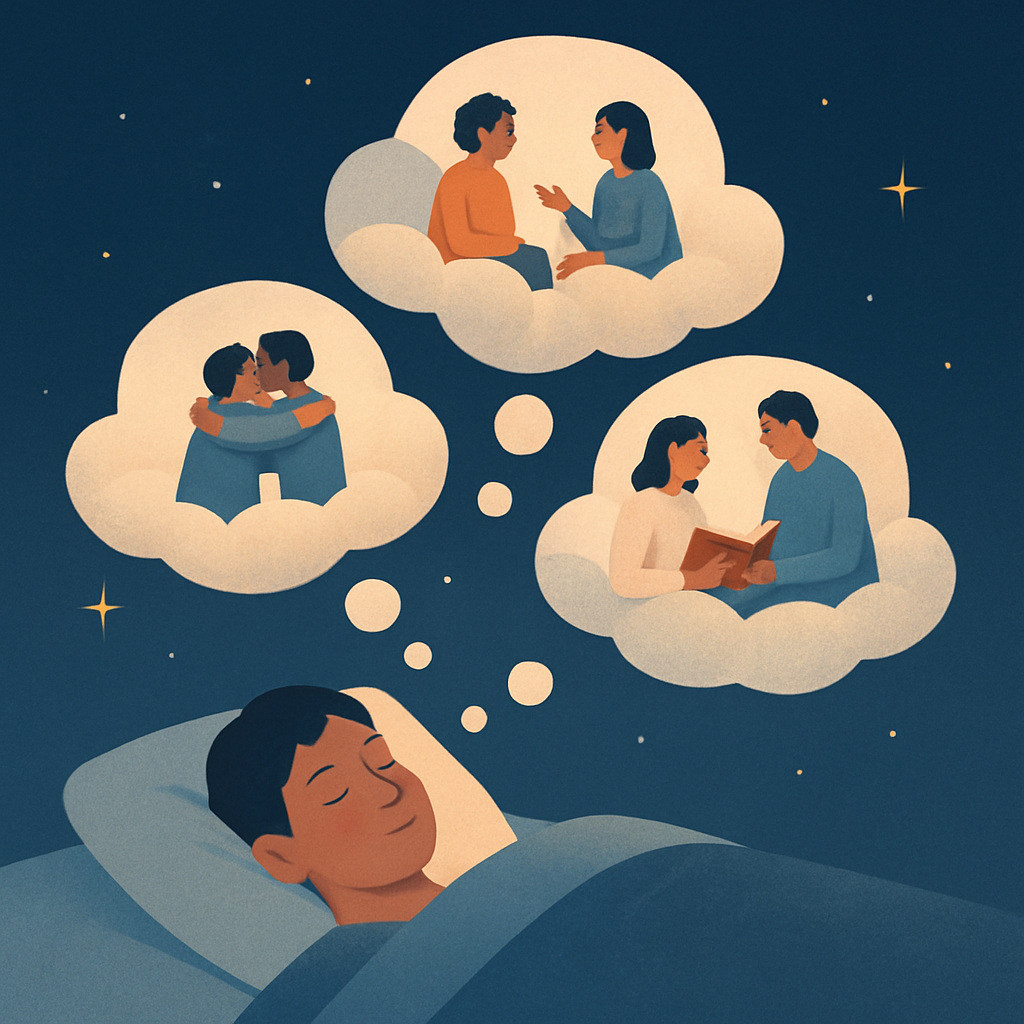
Why Does the Brain Replay Awkward Moments at Night?
💡 The Quick Takeaway
Ever found yourself lying in bed replaying that awkward comment you made at the party last week? You're not alone. This night-time habit is your brain's way of learning from social missteps. While initially embarrassing, these mental replays help solidify social understanding and behavior adaptation. So next time it happens, remember: your brain's just trying to keep you socially savvy.
Imagine this: You've just settled into bed, ready for a peaceful sleep. As you close your eyes, a scene from earlier in the day flashes in your mind. Maybe it was when you accidentally called your boss "Mom" or when you tripped in front of a crowd. Suddenly, you're wide awake, heart racing with embarrassment. Ever noticed this happening to you?
It’s fascinating how our minds, at their most vulnerable hour, decide to replay our least favorite highlight reel. It feels almost mischievous, like the brain is trying to sabotage our sleep with a comedy of errors performed by none other than ourselves. But is there more to this nightly torment than meets the eye?
The moment when you’re poised between waking and sleeping is prime time for the brain to cast its psychological magic. While you lie there, the brain sifts through the day’s events, categorizing and storing memories. And sometimes, it throws an awkward moment into the mix, leaving you wondering: Why?
Before you resign to another sleepless night of cringing, let's explore why your brain finds it necessary to delve into these awkward memory vaults exactly when you're trying to doze off.
What This Behavior Means
The Replay Effect
When you're lying in bed, your mind is free from distractions, naturally creating space for memory exploration. This means that your brain, much like a diligent librarian, reviews experiences to glean lessons and insights. Unfortunately, it often curates a selection of our most awkward moments for nighttime reflection.
Habit Loops of Reflection
Your brain has developed habit loops, sequences of actions and thoughts that repeat. At night, these loops often include self-reflection, where awkward moments resurface not to haunt, but to help you correct future behavior. It’s a built-in mechanism to hone your social skills and prevent similar missteps.
Emotional Anchors
Embarrassing events come with strong emotional anchors—intense feelings that help memories stick. These anchors signal their importance to the brain, ensuring they’re replayed so you rethink your actions and adapt your approach in social situations. While sometimes uncomfortable, they can lead to personal growth.
The Psychology Behind It
The brain's tendency to replay awkward moments is rooted in its need to process emotional experiences. This processing plays a critical role in learning and memory consolidation. When you experience something awkward, your brain tags that event as unusual, amplifying its significance and prioritizing it for review.
Emotionally charged experiences are likely to be stored more effectively, given that the amygdala (the brain's emotional processing center) works in tandem with the hippocampus (the memory processor) to strengthen these memories. The awkwardness acts as a psychological highlighter, marking the event for deeper analysis.
Moreover, the brain’s time allocated for reflection is often at night. When you're winding down, distractions fade, allowing these stored memories to surface. The mind isn't conjuring these memories maliciously. Instead, it’s a way to simulate potential scenarios and rehearse different responses, which can prevent similar incidents in the future.
The Science Made Simple
Ever heard of the Default Mode Network (DMN)? It’s the part of the brain that's active when you’re at rest, like when you're daydreaming or, indeed, about to sleep. The DMN kicks in to process emotions and memories, knitting together past experiences to form a coherent narrative of who we are.
One theory tied to this phenomenon is the Zeigarnik Effect, which suggests our minds remember incomplete or interrupted tasks more than completed ones. Awkward moments are often socially incomplete, leaving lingering questions about how others perceived us. Our brain wants closure, so it replays these moments hoping to resolve them. Like a loyal friend, it's really just aiming to save us from future foot-in-mouth situations.
Relatable Real-Life Examples
Consider Jane, who remembers the time she yelled “I love you!” to her teacher, mistaking the classroom for a phone call. As she replayed it at night, she realized she wanted to make sure she wasn’t seen as careless in the future. In another scene, Mike, after laughing too hard at a colleague’s mistake, imagined countless versions of apologies, hoping one would feel right next time. Meanwhile, Lucy replayed her comedic trip in the cafeteria so vividly she could almost script it—fully aware now how she could've balanced the tray better instead of channeling her inner slapstick comedian.
Interesting Facts
- Your brain processes around 48.6 thoughts per minute. It’s no wonder it picks a few for replay!
- Reminiscing on awkward moments can increase social anxiety, prompting proactive behavior.
- Embarrassing memories activate the same brain regions involved in emotion regulation and self-referential processing.
- Remembering every detail of past slip-ups can sometimes be a marker of an empathetic and socially conscious mind.
- Studies suggest that writing down embarrassing memories helps diminish their emotional intensity over time.
- The act of internally cringing is, paradoxically, a rehearsal for resilience in embarrassing situations.
The MindCodex Guide to Action
Reframe the MemoryInstead of cringing, try recasting embarrassing memories as learning moments. Ask, "What did I learn?" rather than dwelling on the mishap itself.
Practice MindfulnessWhen nighttime memories arise, focus on your breath to shift your attention to the present, reducing emotional reactions to past events.
Write to Let GoJournaling your awkward experiences can convert chaotic thoughts into structured narratives, helping to lessen their emotional grip over time.
Engage in Evening RelaxationIncorporate calming activities like gentle yoga or listening to soothing music to decrease the likelihood of embarrassing memories bubbling up.
SocializeSharing your awkward moments with friends can often lead to shared laughter, reframing them as amusing rather than embarrassing.
Conclusion
Awkward moments are an inevitable part of the human experience. The way our brains chew over them at night is not a curse but a tool for social refinement and personal development. By understanding this, we can learn to embrace these late-night replays as opportunities for growth rather than sources of anxiety. So, next time you're lying in bed, remember: your brain has your back, navigating the complexities of social interactions, one awkward memory at a time.
A Small Reflection
Reflect on a moment when you found yourself cringing at night. Consider how it may have subtly influenced your interactions and choices the next day. Could it be that these awkward replays are simply life’s way of making us ponder, learn, and evolve?
About the Author
Hi, I’m Aditya Singh. I’m a counselor and psychotherapist driven by a simple goal: to help people understand the "why" behind their own behavior. I spend my time translating complex psychological research into practical, everyday tools that actually make sense in the real world. My mission with MindCodex is to bridge the gap between clinical insights and our messy, beautiful, everyday lives—making mental health and self-awareness accessible to everyone, one story at a time.
Liked this story? Explore more insights in
View all posts in Cognitive Curiosities →


