Why Humans Enjoy Stories About Heroic Journeys
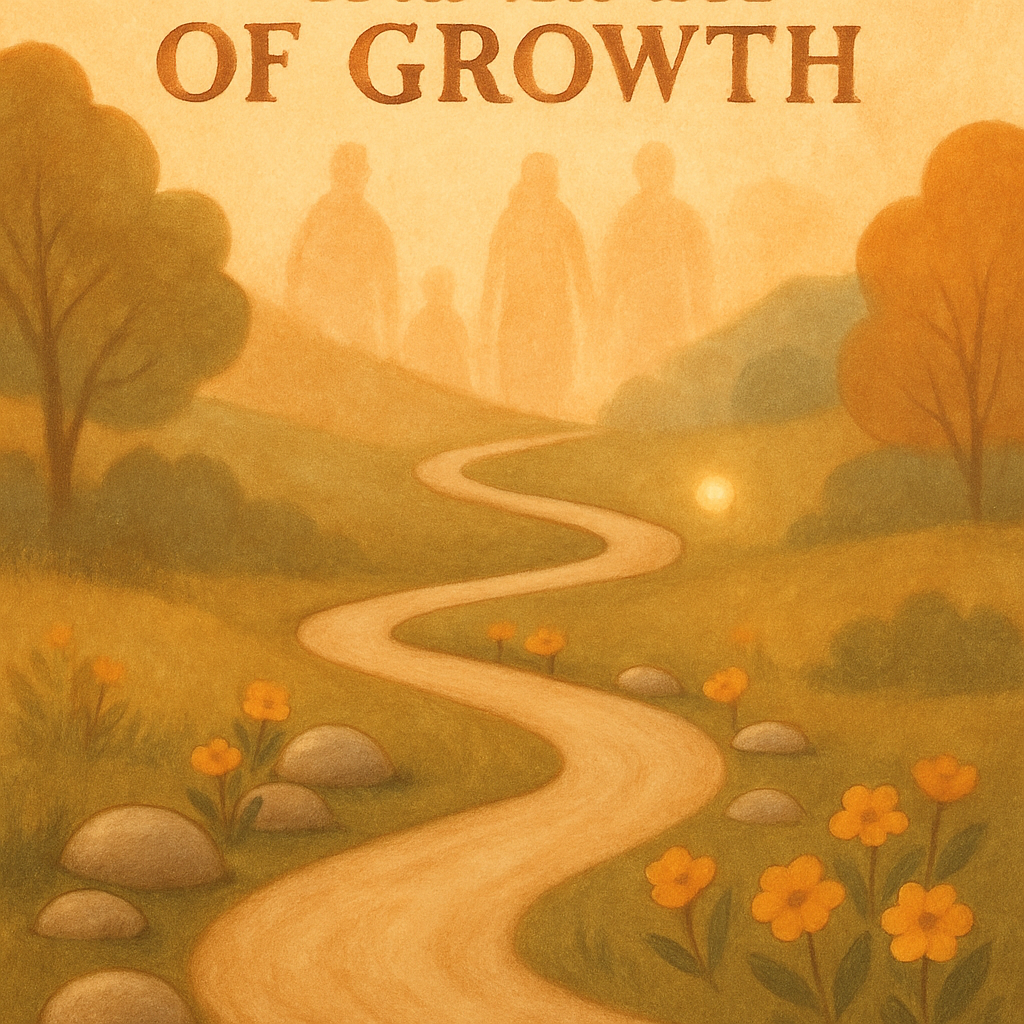
Why Humans Enjoy Stories About Heroic Journeys
💡 The Quick Takeaway
Ever been deeply captivated by a story of heroism that keeps playing in your mind? It's not just you; these stories tap into profound psychological needs. They offer us a sense of identity, purpose, and inspiration. Understanding why we gravitate towards tales of heroic journeys can illuminate much about our human psyche and how we navigate our own life paths.
Imagine you're curled up on your couch, the lights dimmed, a warm cup of tea in hand. You've just started watching a movie about a courageous hero who embarks on an epic quest. As the narrative unfolds, you find yourself emotionally invested, rooting for the hero every step of the way. The excitement, the suspense, and the satisfaction that comes with witnessing their triumph can feel profoundly personal. Ever wondered why these stories hit so close to home?
Or think back to a time when you sat around a campfire, the night sky above, listening as someone recounted ancient myths or fairy tales. There’s something about those narratives that stirs something deep within us. Why are we so captivated by tales of heroic journeys? What is it about these stories that resonate so powerfully with our minds and emotions?
Sometimes after a long day, you might find yourself reaching for a book or movie that promises an escape into a world of adventure and heroism. There’s something comforting in following a hero’s journey from struggle to victory. It seems almost like an antidote to our own daily challenges, doesn't it?
Let's delve into why these epic tales grip our imaginations and find out what’s happening in our minds that’s drawing us to these stories time and again.
What This Behavior Means
Connection to Heroism
We are naturally drawn to characters that show bravery and heroism. It feels uplifting to see someone else do things we might only dream of achieving. Viewing these stories allows us to live vicariously through characters full of courage and determination.
Emotional Engagement
These stories are crafted to take us on an emotional rollercoaster. The highs and lows keep us engaged, tapping into our own emotional landscapes. When the hero wins, it feels like we win too. Ever felt that surge of joy and relief as the protagonist overcomes the odds?
Lessons and Morals
Heroic journeys often come with embedded life lessons. They can reflect our innate desire for meaning and understanding. Whether directly or subtly, these stories teach us about resilience, hope, and morality.
The Psychology Behind It
The allure of heroic journeys can be traced back to what psychologists might call "archetypes"—universal symbols and patterns in storytelling that resonate with shared human experiences. Carl Jung introduced this idea, explaining how these stories are manifestations of the collective unconscious. Our brains seem to delight in these narrative structures because they touch on common human themes: the battle between good and evil, the quest for identity, and the triumph over adversity.
Additionally, these stories tap into our "dopamine circuits." Dopamine, a neurotransmitter associated with pleasure, plays a significant role in reinforcing experiences that feel rewarding. Following a hero through challenges and triumphs stimulates these pathways, creating a pleasurable and engaging experience. Think about how cliffhangers work—leaving you craving what's next, keeping that dopamine flowing.
Moreover, narrative transportation theory suggests that being absorbed in a story can alter our thoughts and feelings deeply and profoundly. It creates a temporary bond with the characters, drawing our empathy and causing us to mirror their emotions.
The Science Made Simple
Let's talk about "Mirror Neurons"—tiny brain cells that are key players when it comes to empathy. These neurons fire not only when we perform an action ourselves but also when we observe someone else performing it. So when you watch that hero leaping over obstacles, your brain is simulating the action, making you feel as engaged as if you were right there beside them.
Then there's the "Hero's Journey" framework popularized by Joseph Campbell. It's a storytelling structure that our brains seem to inherently understand and appreciate. This framework mirrors life’s journey—embarking on the unknown, facing trials, and ultimately transforming—which resonates profoundly with us as we navigate our challenges.
Relatable Real-Life Examples
Picture a book club discussion where everyone is debating whether the hero should have forgiven the villain. "I would never!" says one member passionately; others nod, feeling the sting of betrayal they’ve never actually experienced themselves.
Or think about the fan eagerly queuing at a movie premiere, heart racing as they await the next installment of their favorite hero’s saga. "It’s not just a film," they say. "It’s a journey!"
Consider a child, cape tied around their neck, leaping off a sofa shouting, "To the rescue!" Channeling their inner hero, just like the ones from stories they've heard, their imaginary games are filled with valor and daring deeds.
Interesting Facts
- The "Hero's Journey" appears in literature worldwide, from ancient myths to modern cinema, showcasing its universal appeal.
- Experiencing hero stories can increase your levels of oxytocin, the love hormone, fostering social bonding and empathy.
- The longest-lasting epics, like Homer’s "Odyssey," have continued to be retold for thousands of years, evidencing their enduring impact.
- Heroic stories often help alleviate loneliness by providing a sense of connection and belonging with the characters and narratives.
- Campbell’s "Hero’s Journey" has influenced countless successful movies, including "Star Wars" and "The Lion King."
- Stories about heroic journeys can enhance your problem-solving skills by encouraging creative thinking and resilience.
The MindCodex Guide to Action
Visualize Your JourneyImagine you are the hero in your life's story. What quests are you undertaking? Frame your challenges as adventures to reframe the obstacles in a more empowering light.
Find Your ArchetypesIdentify with the traits of your favorite heroes and try to emulate their characteristics in daily life. This can offer inspiration and guide your actions and decisions.
Channel EmpathyWhen you watch heroes succeed, let your "mirror neurons" enhance your empathy. Use these moments to develop deeper compassion for others in real life.
Learn from the LegendsNotice the lessons in these stories. Reflect on how these morals can apply to your life and help guide your personal and professional relationships.
Engage in Active StorytellingBe the storyteller in your circle. Share stories of heroism to inspire and connect with others. This can be a fun, engaging way to bond and learn together.
Conclusion
Human fascination with heroic journeys likely stems from a deep-seated need for growth, connection, and understanding. Whether through books, movies, or oral storytelling, these tales serve as mirrors and maps for our human experience. They offer us not just escapism, but a chance to understand ourselves better and to equip ourselves with the lessons needed to tackle our own life's adventures.
A Small Reflection
Recall a time when a heroic story captivated you and left a lasting impression. It might have inspired a small change in your day, perhaps motivating you to tackle a challenge differently. How might embracing the hero within you, in everyday situations, transform your life's journey?
About the Author
Hi, I’m Aditya Singh. I’m a counselor and psychotherapist driven by a simple goal: to help people understand the "why" behind their own behavior. I spend my time translating complex psychological research into practical, everyday tools that actually make sense in the real world. My mission with MindCodex is to bridge the gap between clinical insights and our messy, beautiful, everyday lives—making mental health and self-awareness accessible to everyone, one story at a time.
Liked this story? Explore more insights in
View all posts in The Human Condition →


